

Going on holiday by car this year? Then it pays to know the rules. Even though we mostly stay within the EU when we drive, the rules differ from country to country.
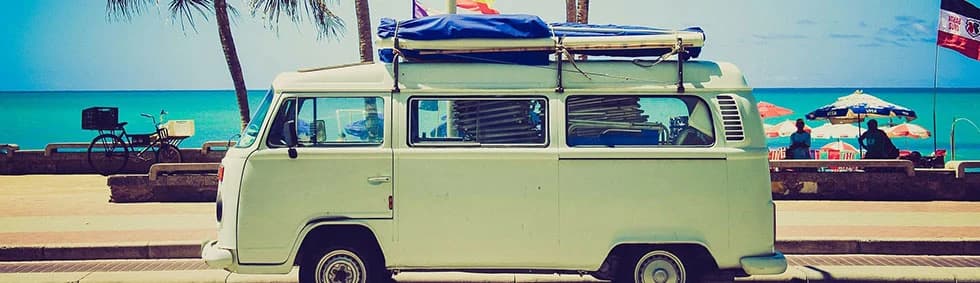
Holiday by Car? Tips and Tricks from Us!
Short answer
What do you need to carry when you go on holiday by car?
If you are going on holiday by car, what you must carry differs from country to country, even within the EU. In almost every country in this overview a warning triangle is compulsory and in many a hi-vis vest too; Austria and Switzerland also require a vignette.
- The Netherlands: beyond the APK (the Dutch roadworthiness test) and compulsory insurance, there are no must-haves.
- France: hi-vis vests for all occupants to the EN471 standard, and a breathalyser.
- France and Germany have low-emission zones for which you need an emissions sticker.
- Dashcam: forbidden in Austria and Luxembourg, discouraged in Spain, relaxed in France and Denmark.
Holiday by car: what should you take with you?
We picked 10 holiday countries and found out what you must carry to be allowed on the road. Do bear one more thing in mind: if you are heading to, say, France, you will probably drive through Belgium and Luxembourg as well. So have a look at the rules in those countries too.
Check your lighting before you leave, too. You will find handy tips in our blog on replacing a bulb in your car yourself.
1. The Netherlands
Millions of Dutch people still happily stay in their own country. Out walking in all weathers, digging holes around the caravan, barbecuing in a thick jumper: it's a joy being here in the Netherlands.
When you travel by car you are in luck in the Netherlands. Beyond the APK (the annual roadworthiness test) and compulsory insurance, there are no must-haves. I did find the following advice, though:
- Hi-vis vest: Waiting for the ANWB (the Dutch roadside assistance) in style. Oh, and buy one for your partner and the kids too, it's only polite.
- Warning triangle: You don't have to carry one, but you do have to use one in an accident. Uhh... what?
- Spare bulb: Hardly needed if you drive with Hilox bulbs ;-)
- Spare glasses: For when the air con blows your contact lenses out
Dashcam
Dashcams are getting more and more popular, so we looked into the rules for you. In the Netherlands you may use a dashcam, although people (or a judge) can make a fuss when it comes to privacy. If you publish footage without permission, it is important not to show the person recognisably. Want to use the footage as evidence after, say, a collision? Then the judge decides whether it is admitted.
2. Belgium
Who doesn't love a relaxing holiday in Belgium? Besides cosy Antwerp and Brussels, you can also kick back in all the loveliness the Belgians call the Ardennes. Getting from here to there rarely takes long, but if you don't pay attention it can cost you a few euros. Our neighbours are a bit stricter on the road; this is compulsory:
- Hi-vis vest: The driver must have one in any case, and wear it in a breakdown or accident.
- Warning triangle: Carry it and use it.
Extra: Cars with Belgian plates must carry a first aid kit and a fire extinguisher. Our yellow plates are generally not checked for these, but if you want to avoid arguments with the coppers, you can buy both.
Dashcam
In Belgium you may use a dashcam, but they are a little stricter here. Publishing footage of a person without their explicit permission is forbidden. Want to use the footage as evidence? Then the judge decides whether it is admitted, and here too it is important that the person filmed is told straight after (the accident, for example) that you have the footage and want to use it.
3. France
Ooh la la! Every year we race through Belgique in droves to enjoy lovely France. This huge European country is a lot stricter on the road.
- Hi-vis vest: For all occupants, and within reach. Oh, and it must meet the EN471 standard*
- Warning triangle: A MUST! But also not. On the motorway it's too dangerous, so no. Don't.
- Breathalyser: You have to carry one, but you probably won't be fined if you forgot. The "probably" hinges on whether you greet the officer blind drunk or, as is of course proper, sit sober in your voiture.
- Spare bulb: Not required, but allowed.
- Spare glasses: Not required, but allowed
Extra: To keep the country from getting too polluted, France uses permanent and temporary low-emission zones.
- Permanent: You may only enter with a valid emissions sticker, as in Paris, for example.
- Temporary: When pollution briefly gets a little too high, the city locks down and you only get in with a sticker. The sticker can only be ordered via certificat-air.gouv.fr and currently costs €4.20 including postage. Based on your emissions you are sent 1 of 6 colours, which you stick on the bottom right of the windscreen (on the inside, naturally).
Dashcam
In France you may use a dashcam, and they are very relaxed about it. You may publish the footage and, if need be, use it in legal proceedings. The country does ask you to respect privacy legislation at all times.
*Hi-vis vest
As well as having one or more vests, most countries like it when the vests meet the EN471 standard. That means the vests must be fluorescent yellow, orange or red, and fitted with retro-reflective bands.
4. Spain
Heading for the Costa this year? Then you'll cross a few countries by car. Before you can plant your bum in the sand, you need to take the rules in Español into account:
- Hi-vis vest: Compulsory for everyone in the vehículo, at least in a breakdown or accident outside built-up areas.
- Warning triangle: uno o dos? That is the question. One is a must anyway, and to avoid a heated debate in sign language a second is advisable. The second is really only compulsory for cars with Spanish plates. But you never know... and we'd rather not upset the Spanish authorities.
- Spare wheel: Instead of roads without potholes, a car with a spare wheel or repair kit. Does your car run on run-flat tyres? Then of course you don't need to carry anything.
Dashcam
For Spain we say: don't. In this country you can't just film in public spaces, you may not touch the camera while driving, it must not obstruct your view (though we think that's fairly obvious), very specific rules apply to the security of the data (which rules, we don't know), and everyone in the vehicle must know you are filming. Want to use it in court? It still isn't clear to us whether a judge would accept it. Given these strict rules, our advice is to stash the camera away while you are there.
5. Italy
Maybe you'd rather squeeze in cheek by jowl with other Dutch people at Lake Garda, or shuffle along in a conga line through Venice, or admire the 20 colourful houses of Cinque Terre. To get into beautiful "Bella Italia", you do have to follow a few rules too.
- Hi-vis vest: Take one for yourself and for everyone riding with you.
- Warning triangle: Finally some clarity: take it and use it in a breakdown or accident.
Dashcam
In Italy you may use a dashcam. Publishing is allowed, but here too rules apply to data processing and privacy. Do watch out: a number plate counts as private too, so you can't just share it without the owner's permission. It is (still) unknown whether a judge will admit the footage as evidence.
6. Germany
Two years ago this lovely country was still firmly number one, and this year again plenty of Dutch people are pointing the car at cosy German villages or beautiful countryside. Going too? Then you need to carry the following in the car:
- Hi-vis vests: Take them and, if possible, keep them within reach.
- Warning triangle: Finally a country with an opinion: take one and use it!
- First aid kit: The first on the list where a plaster scores high as well. Make sure you have a well-stocked tin.
Extra: Our neighbours go nicely green, and work with Umweltzonen. You may only enter these low-emission zones with an emissions sticker. You can order a sticker online, or pick one up from the ANWB or at a GWK currency exchange (found at most stations).
Based on your vehicle's emissions you get a green, yellow or red sticker. You stick it on the bottom right of the windscreen. The price depends on where you buy the sticker and can vary between €5 and €50. So our advice is to shop around.
Dashcam
In Germany they are strict about the dashcam. Nowhere does it say it isn't allowed, but use is still discouraged after a court ruling: publishing is not allowed because of privacy and can earn you a fine. Want to use the footage as evidence? Then the judge decides whether it is admitted, though it is important that the clips are max. 30 seconds long and can be overwritten. A lot of hassle, then, but the choice is yours.
7. Austria
Jawohl, Austria is a favourite among the Dutch too. More and more often we choose to spend our summers in the mountains as well. Going too? Then note the following:
- Hi-vis vest: Have one and use it in a breakdown or accident.
- Warning triangle: Have one and use it in a breakdown or accident.
- First aid kit: Have one and use it in a breakdown or accident.
Extra: To use the roads, your car needs a vignette. You can buy a vignette for 10 days, 2 months or a year. For 10 days it currently costs €11.95 and you buy it from the ANWB. Reading this while you are already on your way? No worries, you can also buy a vignette at the Austrian motorway border crossings.
Dashcam
In Austria they are party poopers, but at least they are clear: forbidden. Filming people or public spaces without permission is not allowed. You may use footage as evidence if there is trouble, but bear in mind that you will then be fined (because you did film, after all).
8. Switzerland
This year you could of course also head to beautiful Switzerland. Do a proper mountain hike and then go wild on a box of Swiss chocolate... Switzerland has only 1 requirement, and that is the warning triangle. Everything else is allowed, but not required.
Like in neighbouring Austria, you need a vignette, and this currently costs €38.70. The vignette is valid for a year and can be ordered from the ANWB.
Dashcam
In Switzerland it gets trickier again: it is allowed, but strongly discouraged. They are very strict here about privacy legislation, and it will cause you more problems than benefits. Using one anyway? Then always mount the camera on the dashboard, make sure it doesn't obstruct your view (duh) and don't operate the camera while driving. A judge decides whether the footage may be used in a court case.
Eco-friendly
Fortunately more and more countries are thinking about the environment, and with it the impact of car emissions. In Austria and Switzerland you can only drive at all with a sticker or vignette; for other countries a sticker in the busy cities is enough. Setting off? Make sure you have a sticker or vignette in good time, it saves you hefty fines. Always put the sticker where it is clearly visible behind the windscreen (often bottom right, or level with the rear-view mirror)
9. Denmark
You might also choose one of the cosy harbours or beautiful beaches of Denmark this year. To get into the land of Lego there is only 1 must: the warning triangle. Nothing else is required, and using common sense is simply advisable here too.
Dashcam
The Danes are a bit more relaxed: it is allowed, and above all respect other people's privacy. When using the camera, do note the following: cable and camera must not block your view. Whether a judge would accept the footage as evidence is (still) unclear to us.
10. Luxembourg
Okay, you are more likely to drive through Luxembourg than to holiday there. But that is exactly why I'm mentioning lovely Luxembourg. In Luxembourg you are in fact required to carry a hi-vis vest and a warning triangle. You need vests for everyone riding with you. Of course you only put them on in a breakdown or accident.
Dashcam
In Luxembourg it is: forbidden. Yes, you may have the camera with you. No, you may not use it. Data protection legislation prohibits its use. You may use footage in a criminal case, but you can then be prosecuted yourself for having filmed at all.
Frequently asked questions about holidaying by car
Is a warning triangle compulsory in the Netherlands?
No, in the Netherlands you do not have to carry a warning triangle, but you do have to use one in an accident.
In which countries do you need a vignette?
In Austria and Switzerland. In Austria you buy a vignette for 10 days, 2 months or a year, from the ANWB or at the motorway border crossings. The Swiss vignette is valid for a year and can be ordered from the ANWB.
What is the EN471 standard for hi-vis vests?
Vests to the EN471 standard are fluorescent yellow, orange or red and fitted with retro-reflective bands.
May you use a dashcam on holiday?
That differs per country. In the Netherlands, Belgium, France, Italy and Denmark it is allowed, with attention to privacy. In Germany and Switzerland it is discouraged, for Spain the advice is to stash the camera away, and in Austria and Luxembourg it is forbidden.
How do you get a French emissions sticker?
You can only order the sticker via certificat-air.gouv.fr. Based on your emissions you are sent 1 of 6 colours, which you stick on the bottom right of the inside of the windscreen.
Keep readingThree more

Three more
from the archive.
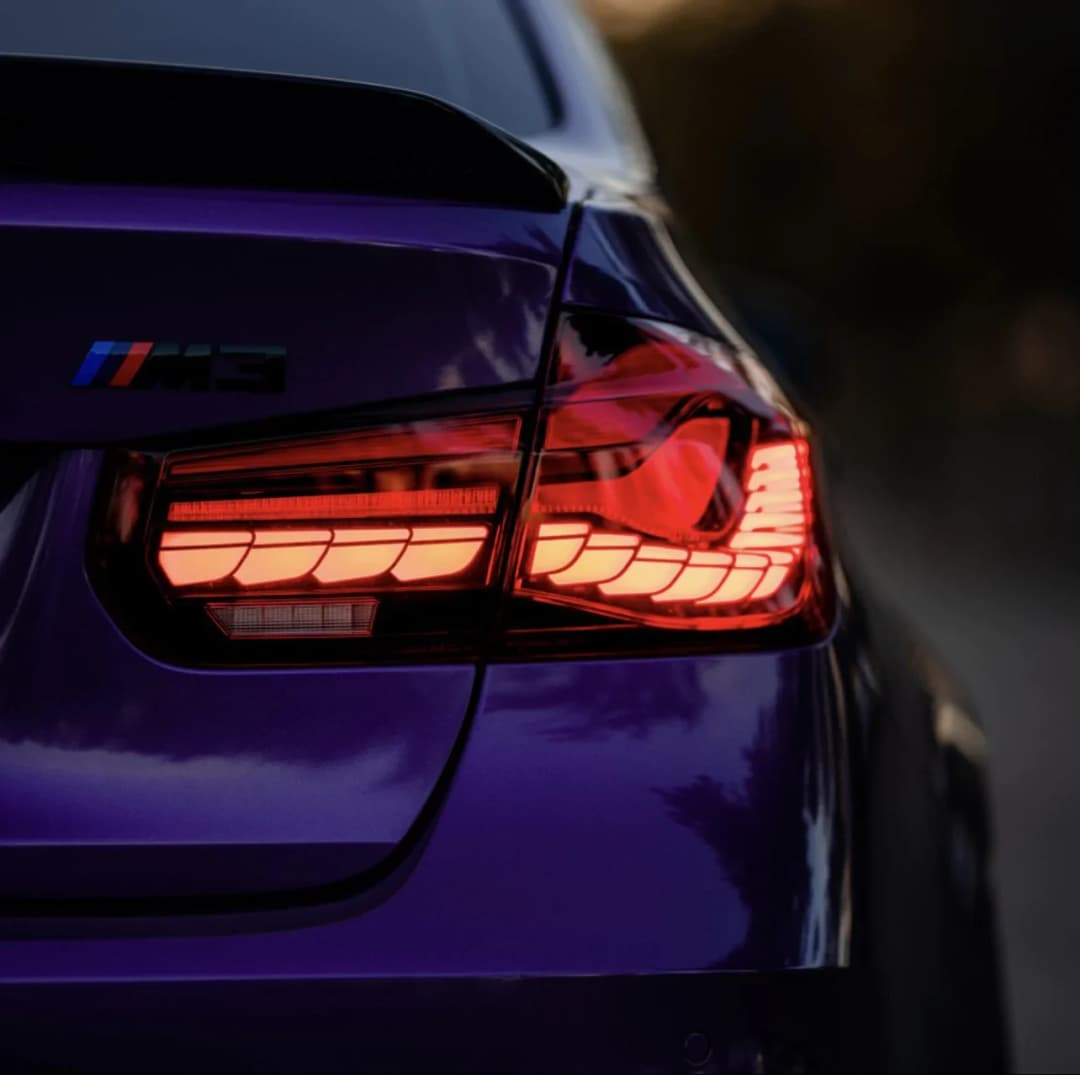
Car lighting and car insurance
Blown car bulbs count as normal wear and tear and are not reimbursed, while theft and damage sometimes are. Find out what your car insurance covers and how LED and xenon lighting can help.
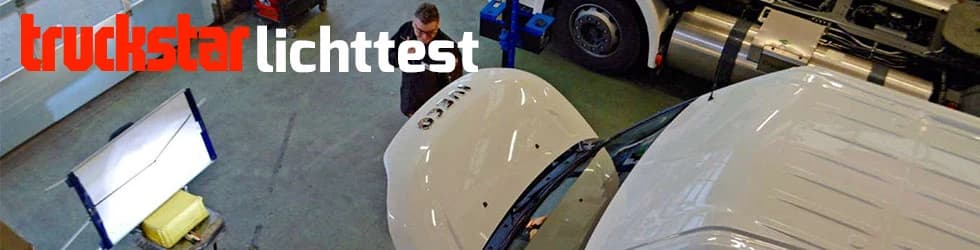
Hilox XTR LED kits als beste getest door Truckstar Magazine
In de dimlicht LED test van Truckstar Magazine kwam de Hilox XTR Black als beste uit de bus. Lees hoe de leds scoorden in reflector- en lenskoplampen, op koeling, CAN-bus en APK.
Hilox Father's Day gift ideas
Looking for a cool Father's Day present? Six Hilox gift ideas, from XTR LED kits and MTB lights to LED dog collars, leashes and electric pepper and salt mills.
Fire it upOnce a month,
Once a month,
a real letter.
New products, fitting tips and offers. No noise, never sold on.
